hot line: 86-510-80628100hot line: 86-510-80628100
main technical parameters of work rolls
chemical composition of work roll

process technology analysis
the belongs to high carbon hypereutectoid steel, which follows the laws of phase and selective crystallization during electroslag remelting solidification. high melting point carbides first nucleate and crystallize, forming a carbon and alloy element enrichment zone, which is elongated during later forging deformation, forming a band like structure with alternating carbon and alloy element depletion and enrichment zones. near the band like structure, there are also primary carbides (liquid precipitation) that are significantly different from the matrix. under subsequent unreasonable heating, forging, and cooling conditions, severe carbides, carbide bands, and network like carbide structures are ultimately formed. this type of poor organization can easily cause quenching cracks during final heat treatment, seriously affecting the service life of the product.
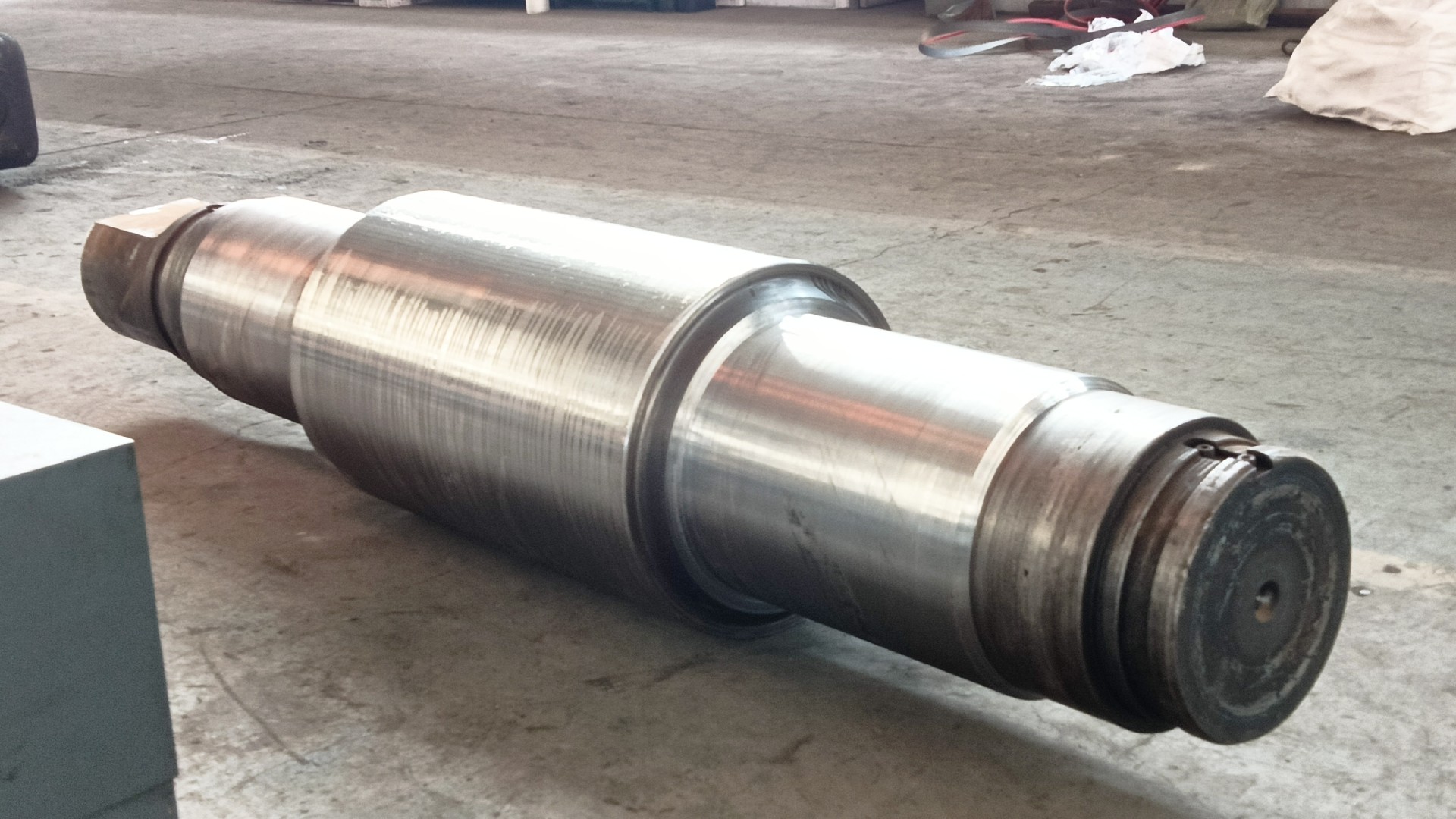
research on technical measures
high temperature diffusion is an important measure to improve segregation and eliminate liquid carbides in steel. high temperature diffusion refers to the process of maintaining high temperature for a long time. on the one hand, it improves the degree of original segregation in steel by fully diffusing segregation elements, and on the other hand, it dissolves or eliminates liquid precipitated carbides.
the use of intermediate billet high-temperature diffusion has certain advantages, but due to the fact that intermediate billet diffusion is a forming fire, the heating temperature is high, and the insulation time is long, a reasonable forging ratio must be reserved, otherwise it will seriously affect the final grain size of the product. the forging ratio is generally selected between 1.8 and 2.0. for high-temperature diffusion time, each type of steel has different c content and alloy, and the degree of segregation of electric slag ingots varies from plant to plant. the diffusion time is also different. according to practical testing, controlling the diffusion time by 3 hours/100 mm can achieve good results.
for high-temperature diffusion temperature, it is generally adopted to be 150-200 ℃ lower than the solid-phase line. the solid-phase line of mc5d steel is 1332 ℃. considering that the material temperature is 30 ℃ lower than the furnace temperature, high-temperature diffusion was initially carried out at 1180-1200 ℃, but the actual liquid carbide precipitation was not ideal. after practical verification, high-temperature diffusion was carried out at 1220-1240 ℃, and the furnace temperature was reduced to 1180-1200 ℃ for 1-2 hours of insulation. the liquid phase carbonization was effectively improved while avoiding overheating problems. the roller blank is a stepped shaft forging, and during the forming process, due to the influence of the order of forming, the secondary carbide precipitation at the final forging temperature of the first forming part is severe, often resulting in strip and mesh exceeding the standard. to avoid this problem, the various parts of the billet are formed at a uniform temperature as much as possible. the following control measures have been taken: (1) reserve a 30mm margin in the diameter direction of each step before rolling the billet, control the forging temperature at around 900 ℃, and then roll and refine the finished product in sequence from one end. this function is to control the uniform forming temperature of each stage and crush the secondary carbides that have already precipitated. (2) leave a 30mm margin in advance, with a forming deformation of approximately 10%. at this time, the surface temperature is low, and the temperature at the center of the billet is high. during the finishing process, the center will experience significant deformation, which can effectively control the grain size of the product. (3) after forging, the method of water cooling followed by air blowing and mist cooling is adopted to reduce the precipitation of secondary carbides.
conclusion
(1) the overall process design of the roller blank meets the requirements of high-quality roller blank manufacturing.
(2) adopting high-temperature diffusion during the intermediate process can effectively reduce diffusion time and lower production costs.
(3) by controlling the temperature before final forging and reducing the residual deformation, and adopting water cooling and mist cooling after forging, the precipitation of secondary carbides can be effectively solved.